Has Haggling for Vintage Fallen Out of Vogue?
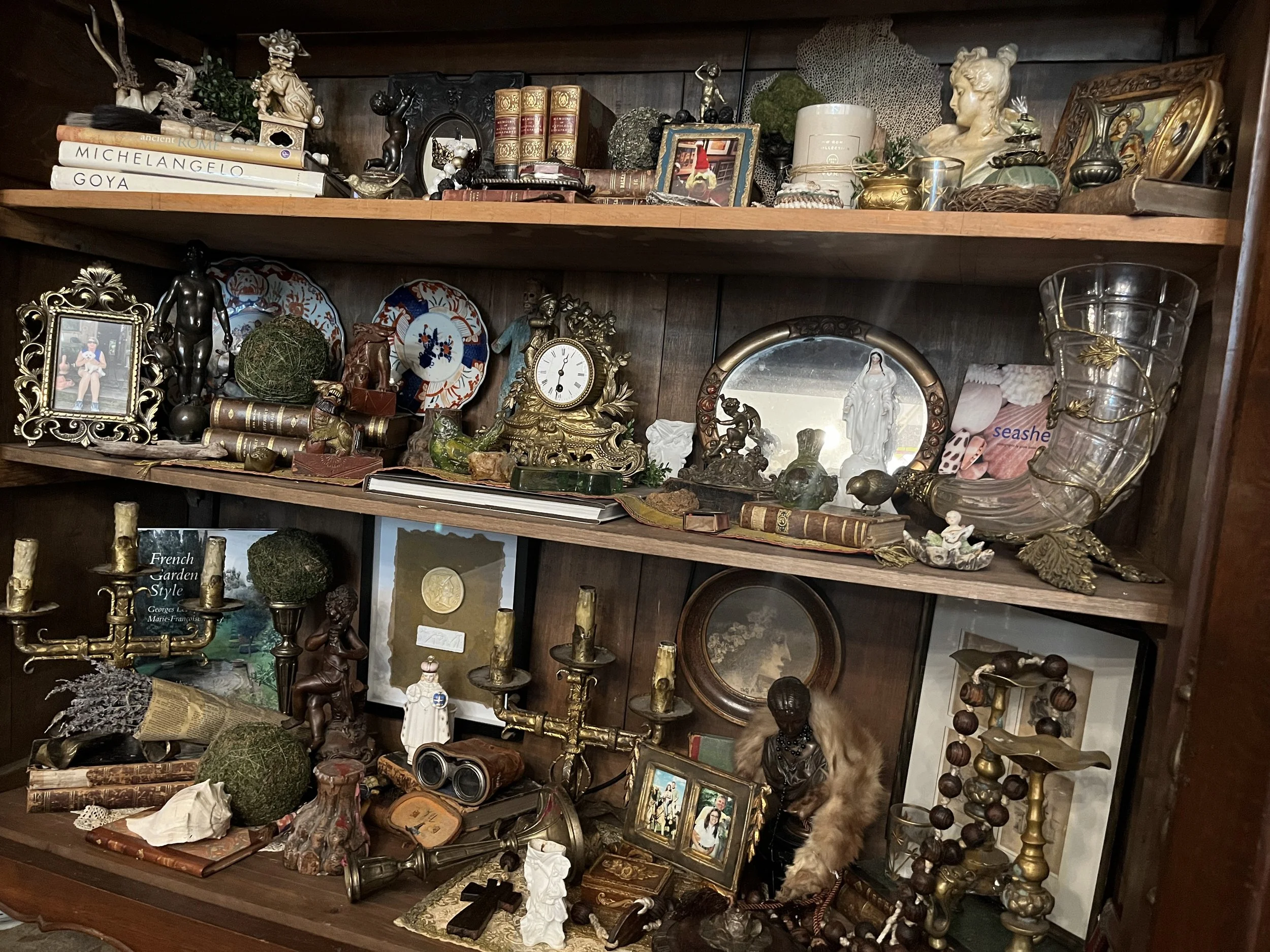
Over the last few years, the dynamics of secondhand shopping have shifted. The thrill of spotting a hidden gem and negotiating a deal is fading. Securing a quality piece increasingly requires quick reflexes and sometimes paying closer to retail value due to growing competition. Luck still matters, but the days when skilled negotiations could yield a day’s haul of bargains are almost gone, as demand for pre-owned home and fashion items surges.
Haggling once defined the culture of secondhand shopping but today, that dynamic is becoming less common. Buyers are more likely to accept listed prices, a trend that began when pandemic related supply chain shortages made high demand items harder to come by. Due to increased demand, sellers now recognize they can hold firm,particularly as the internet provides near-instant market value information on platforms such as 1stDibs, Chairish, and Worth Point. More sellers understand the value of what they have, and everyone wants their share. Opportunities for informal negotiation exist, but the more competitive the market the longer dealers will hold out for premium offers.

Rare or designer pieces often retain or increase in value, functioning as tangible assets with measurable resale potential
The rise of structured online platforms has further reshaped the marketplace for collectors and dealers. Authentication, condition grading, curated listings, and secure online transactions make shopping for antiques convenient, appealing, and accessible to the general public. Demand currently outpaces supply, and multiple shoppers monitor the same listings simultaneously. Securing a coveted piece now often requires speed, decisiveness, and sometimes paying above the listing price before another buyer claims it.
This shift is also reinforced by the growing perception of antiques, vintage furniture, and collectible design objects as alternative investments, not just decorative items. As certain Mid-Century Modern pieces and well-documented antiques have shown strong appreciation, buyers have grown more comfortable treating these purchases as assets with clear investment and resale potential. In many cases, rarity, condition, and provenance allow select pieces to function as store of value, potentially outperforming traditional assets in desirability and resale outcomes.

Growth and scale have normalized value, leaving little room for traditional negotiation.
Secondhand markets are booming, and the data backs it. OfferUp reports that 93 percent of Americans bought a pre-owned item last year. Chairish and GlobeNewswire show resale of furniture and homeware growing rapidly, with no signs of slowing down. Global forecasts put the secondhand furniture market at USD 56.66 billion by 2030, up from 34 billion in 2023. Scale and visibility have normalized pricing, leaving little room for traditional negotiation.
The old treasure hunt thrill has not disappeared entirely, but what remains of it feels rare, strategic, and increasingly professionalized. So what does that mean for dealers, collectors, and enthusiasts? Expect to pay more especially for pieces that are rare, mint, limited edition, or scarce. Haggling is no longer the default and can be risky, potentially costing you the sale especially on fast paced platforms like Facebook Market Place. Next time you think about underbidding on a listing, remember someone else is already in the DMs, ready to act before you even hit send.
Are you a dealer, collector, or haggler? Share your experiences in the field below. Low-ball comments will be ignored.
Images and Text by House of No Era